
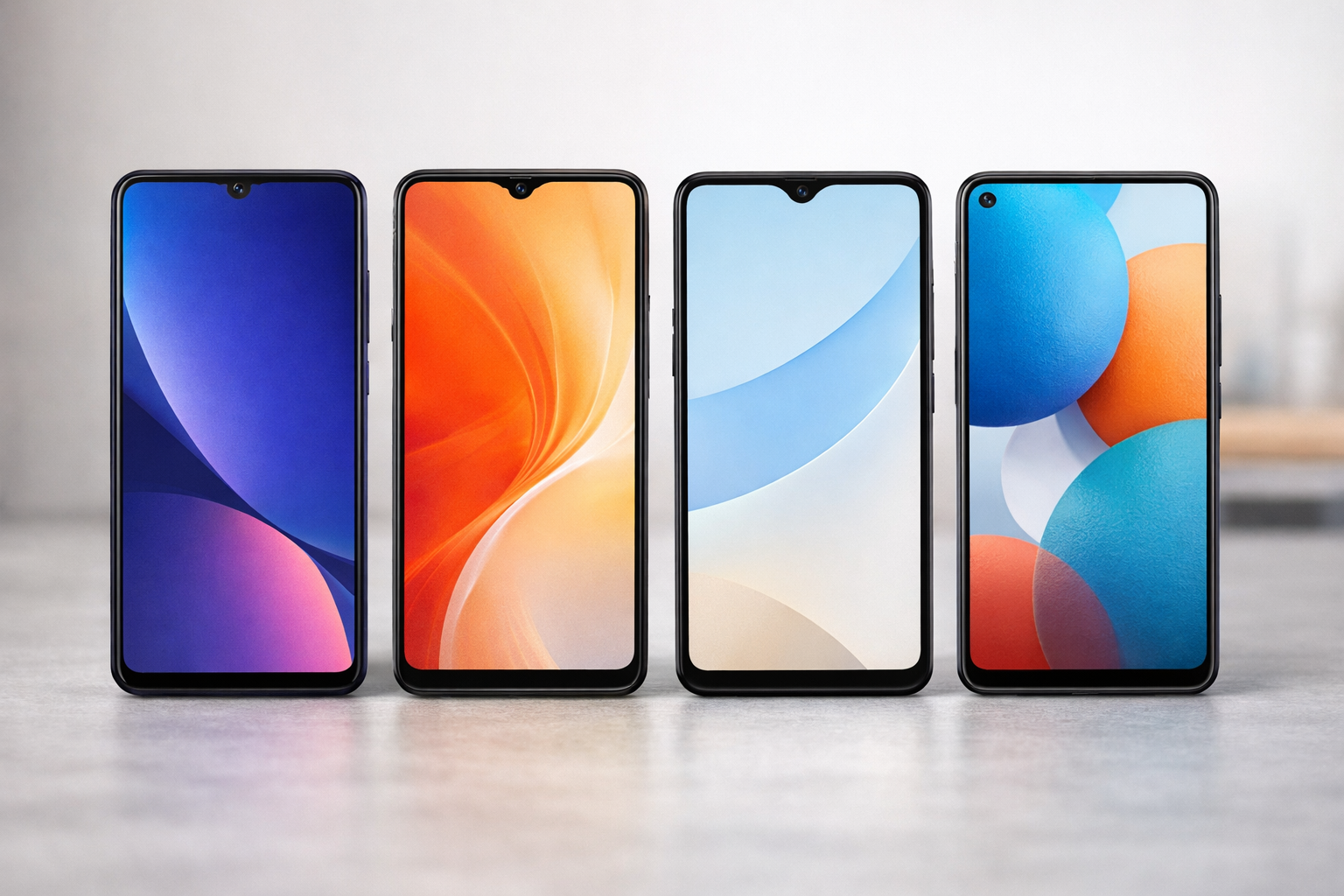
Shopping for a smartphone when you have a specific budget can feel overwhelming. The market offers dozens of options in the under ₹15,000 price range, each claiming to be the best value for money. With manufacturers launching new models every few months and aggressive marketing making bold promises, how do you separate genuine value from marketing hype?
Understanding what matters in budget smartphones helps you make informed decisions based on your actual needs rather than flashy specifications that sound impressive but don’t translate to real-world benefits. This comprehensive buying guide explains what to look for, what to avoid, and how to choose a phone that serves you well for years to come.
Understanding the Budget Smartphone Segment
The under ₹15,000 category represents the most competitive segment in India’s smartphone market. Manufacturers pack impressive specifications into affordable devices, but not all specs deliver equal value. Some features genuinely improve your daily experience, while others exist primarily for marketing purposes.
Budget phones have evolved significantly in recent years. What seemed impossible five years ago—good cameras, smooth performance, all-day battery life—now comes standard in this price range. However, trade-offs still exist, and understanding them prevents disappointment after purchase.
Key Features to Prioritize
Processor Performance
The processor determines how smoothly your phone runs apps, handles multitasking, and manages gaming. In budget smartphones, processor choice significantly impacts long-term satisfaction.
Look for processors from established manufacturers with proven track records in this price segment. Recent-generation chipsets from Qualcomm’s Snapdragon 4-series or 6-series, MediaTek’s Dimensity series, or similar offerings provide reliable performance for everyday tasks.
Avoid getting distracted by core counts or maximum clock speeds alone. Real-world performance depends on architecture efficiency, manufacturing process, and optimization. A well-optimized six-core processor often outperforms a poorly implemented eight-core chip.
For typical usage—social media, messaging, video streaming, casual gaming—mid-range processors from the past 1-2 years handle tasks comfortably. If you play graphics-intensive games regularly, prioritize processors specifically known for gaming performance in reviews from trusted sources.
RAM and Storage Configuration
RAM determines how many apps run simultaneously without slowing down. Storage holds your apps, photos, videos, and files.
Minimum recommended: 4GB RAM with 64GB storage
Comfortable for most users: 6GB RAM with 128GB storage
Future-proof option: 8GB RAM with 128GB storage
More RAM helps your phone age better, staying smooth even as apps become more demanding over time. However, 4GB remains functional for light users who primarily use messaging, calls, and basic apps.
For storage, 64GB fills quickly with apps, photos, and videos. If you take many photos, download content for offline viewing, or install numerous apps, 128GB provides breathing room. Check if the phone supports expandable storage via microSD card as a backup option, though many newer models omit this feature.
Display Quality and Size
You interact with your phone’s display constantly, making it crucial for user experience. Budget phones typically offer LCD or AMOLED displays ranging from 6.4 to 6.7 inches.
AMOLED displays provide:
- Deeper blacks and better contrast
- More vibrant colors
- Better visibility in bright sunlight
- Lower power consumption when displaying dark content
LCD displays offer:
- More natural color reproduction
- Lower cost, allowing budget allocation to other features
- Adequate quality for most users
Refresh rate matters for smoothness. Standard 60Hz displays work fine, but 90Hz or 120Hz screens make scrolling and animations noticeably smoother. If two phones cost similarly and one offers a higher refresh rate with comparable other specs, it’s worth considering.
Resolution between Full HD+ (2400×1080) provides sufficient sharpness for displays under 7 inches. Higher resolutions drain battery faster without noticeable visual improvement at typical viewing distances.
Camera Capabilities
Camera specifications can be misleading in budget phones. A 108MP camera isn’t automatically better than a 50MP one—sensor quality, lens quality, and image processing matter more than megapixel counts.
Pay attention to:
Primary camera sensor size: Larger sensors (typically 1/2″ or bigger) capture more light, improving low-light photos.
Image processing: Software processing dramatically affects photo quality. Manufacturers with established camera reputations typically deliver better results from similar hardware.
Video capabilities: If you record videos frequently, check for stabilization support and maximum resolution options.
Realistic expectations: Budget phone cameras perform well in good lighting but struggle in low light compared to premium phones. No amount of megapixels overcomes physical limitations of small sensors and lenses.
Multiple camera setups often include 2MP macro or depth sensors that add little practical value. A single high-quality primary camera produces better results than three mediocre sensors.
Battery Life
Battery capacity between 5000mAh to 6000mAh has become standard in budget phones, providing all-day battery life for typical usage. However, actual battery life depends on several factors:
- Display size and refresh rate
- Processor efficiency
- Software optimization
- Your usage patterns
Charging speed matters for convenience. Look for at least 18W fast charging support. Some budget phones now offer 33W or even 67W charging, fully charging your phone in under an hour.
Check reviews for real-world battery testing rather than relying solely on mAh ratings. A 5000mAh battery with an efficient processor and optimized software outlasts a 6000mAh battery with power-hungry components.
Software Experience and Updates
The operating system affects daily usability more than people realize. Budget phones run Android with varying levels of manufacturer customization.
Consider:
Update commitment: How long will the manufacturer provide Android version updates and security patches? Longer support means your phone stays secure and receives new features longer.
Software bloat: Some manufacturers pre-install numerous apps you don’t need, consuming storage and potentially affecting performance. Check reviews mentioning software experience.
User interface: Clean interfaces close to stock Android typically run faster on budget hardware compared to heavily customized versions.
Update track record: Research whether the manufacturer has a history of timely updates or leaves budget phones neglected after release.
Security updates matter for protecting your data. A phone without regular security patches becomes increasingly vulnerable over time.
Build Quality and Design
While premium materials like glass and metal are rare at this price point, well-built plastic phones feel solid and durable. Check reviews mentioning:
- Build quality and any creaking or flex
- Button tactile feedback
- Port and SIM tray construction
- Overall fit and finish
Some budget phones offer IP52 or IP53 ratings, providing basic splash resistance. While not waterproof, this protection helps during light rain or accidental spills.
Weight and thickness affect daily comfort. Phones under 200 grams feel lighter during extended use, while anything above 210 grams becomes noticeably heavy.
Features to Approach Carefully
5G Connectivity
5G support is increasingly common in budget phones. However, consider whether you actually need it:
- Is 5G available in your area?
- Does your mobile plan include 5G data?
- Will you keep this phone long enough for widespread 5G availability?
If answers are uncertain, don’t prioritize 5G over other important features. Reliable 4G performance serves most users well currently.
Gaming-Focused Features
Special gaming modes, extra cooling, or RGB lighting add cost without necessarily improving actual gaming performance. If you game seriously, prioritize a capable processor and adequate RAM over gaming-branded features.
Marketing Buzzwords
Be skeptical of vague terms like:
- “AI-enhanced” (applied to almost everything now)
- “Professional-grade” (meaningless without context)
- “Flagship killer” (rarely delivers flagship experience)
- Ultra-smooth or ultra-fast (unquantified claims)
Focus on specific, measurable specifications and real-world reviews from trusted sources.
Where to Research Before Buying
Trusted Review Sources
Read multiple reviews from established technology websites and YouTube channels with track records for honest, detailed testing. Look for reviews mentioning:
- Real-world performance over several days
- Camera samples in various conditions
- Battery life testing methodology
- Software experience and issues
- Comparison with similarly priced alternatives
User Reviews and Forums
After reading professional reviews, check user feedback on e-commerce platforms and technology forums. Look for patterns in complaints—if multiple users mention the same issue, it’s likely genuine.
Be cautious of overly positive or negative reviews. Extreme opinions often come from paid reviews or unrealistic expectations.
Comparison Tools
Use comparison websites to view specifications side-by-side. This helps identify which phone offers better value in areas that matter to you.
Making the Final Decision
List Your Priorities
Before comparing phones, rank your priorities:
- What matters most? (Camera, battery, performance, display?)
- What features can you compromise on?
- What’s your absolute budget limit?
This prevents getting swayed by impressive specifications in areas you don’t actually care about.
Check Return Policies
Purchase from retailers offering return windows. This safety net helps if the phone doesn’t meet expectations in real-world use.
Consider Longevity
A phone lasting 2-3 years provides better value than one requiring replacement after 18 months. Factors supporting longevity:
- Adequate RAM for future app requirements
- Manufacturer’s update commitment
- Battery health over time
- Build quality
Sometimes spending ₹1,000-2,000 more on a better-built phone with longer software support saves money long-term.
Conclusion
Finding the best smartphone under ₹15,000 means understanding your specific needs and matching them with phones offering genuine value in those areas. Ignore marketing hype and focus on specifications that impact daily experience—processor efficiency, adequate RAM, quality display, reliable camera performance, and good battery life.
Take time researching through multiple trusted sources, reading both professional reviews and user experiences. The most expensive phone in your budget isn’t automatically the best choice—the right phone balances features you’ll actually use with reliable performance and build quality. By approaching the decision methodically and focusing on practical benefits rather than impressive-sounding specifications, you’ll find a budget smartphone that serves you well for years.
Claude is AI and can make mistakes.
Please double-check responses.